


Generational divides have always existed, yet the pace of technological and social change has widened the gap between baby boomers and younger cohorts more than ever. Habits that once seemed perfectly normal now appear quaint or even baffling to those raised in a digital-first world. From the way boomers navigate technology to their approaches to communication and consumption, certain behaviours stand out as relics of a bygone era. Understanding these differences sheds light on the evolving nature of modern life and the challenges of bridging intergenerational divides.
Outdated technological habits
Referring to the entire internet as a single entity
Many boomers have a tendency to call every website “Google”, a habit that can perplex younger generations who grew up distinguishing between search engines, social media platforms, and specialised apps. This simplification reflects an era when the internet was less fragmented and Google dominated the online landscape. For millennials and Gen Z, however, precision matters: Instagram is not Facebook, and TikTok is certainly not Google. This linguistic shortcut can lead to misunderstandings during conversations, particularly when trying to share links or discuss specific online content.
Ambiguous digital communication
Another common technological quirk involves sending vague or anxiety-inducing messages without context. A simple “We need to talk” text from a boomer parent can send a millennial into a spiral of worry, whereas the sender may have intended nothing more serious than a casual chat about weekend plans. This stems from a generational difference in communication norms:
- Boomers often prefer to discuss important matters face-to-face or over the phone
- Younger generations expect immediate clarification and context in digital messages
- The absence of emojis or tone indicators can exacerbate misunderstandings
Adapting to modern messaging etiquette means providing sufficient detail upfront to avoid unnecessary stress.
Reliance on outdated devices and formats
From insisting on printing emails to maintaining landline telephones, boomers often cling to technologies that younger people have abandoned entirely. Physical address books, paper maps, and even fax machines remain in use among this generation, despite the convenience of smartphones and cloud-based solutions. This preference for tangible formats reflects a comfort with the familiar and a scepticism towards the ephemeral nature of digital storage.
These technological preferences naturally lead into how boomers approach personal interactions and the ways they maintain relationships.
Old-fashioned interpersonal communications
The tradition of greeting cards
Despite the prevalence of instant messaging and social media, many boomers continue to send physical greeting cards for birthdays, holidays, and special occasions. This practice, whilst increasingly rare among younger generations, carries a sentimental weight that digital messages struggle to replicate. The act of selecting a card, handwriting a message, and posting it demonstrates thoughtfulness and effort that resonates emotionally, even if recipients are more accustomed to quick WhatsApp wishes.
Preference for phone calls over texts
Boomers frequently favour voice conversations over written exchanges, a habit that can feel intrusive to younger people who view unscheduled phone calls as almost aggressive. This generational divide reflects different understandings of personal boundaries and convenience:
- Boomers associate phone calls with warmth and genuine connection
- Millennials and Gen Z prefer the control and flexibility of asynchronous communication
- Unexpected calls can disrupt workflows and personal time in ways that texts do not
Finding middle ground requires respecting each generation’s communication preferences whilst remaining flexible.
Formal modes of address
Many boomers maintain traditional standards of politeness, insisting on titles and surnames in professional settings where younger colleagues use first names freely. This formality, whilst rooted in respect, can create distance and discomfort in modern workplaces that prioritise egalitarianism and approachability. The clash between these styles highlights broader shifts in workplace culture and social hierarchies.
Beyond communication styles, consumption patterns reveal another dimension of generational difference.
Outmoded consumption practices
Loyalty to established brands and retailers
Boomers often demonstrate fierce brand loyalty, sticking with the same products and shops for decades. This contrasts sharply with younger consumers who actively seek variety, compare prices online, and switch brands based on values or convenience. The boomer approach reflects an era when consumer choice was more limited and brand reputation mattered deeply.
| Generation | Shopping Preference | Decision Factor |
|---|---|---|
| Baby Boomers | Physical stores, established brands | Familiarity, trust |
| Millennials/Gen Z | Online platforms, variety | Price, ethics, convenience |
Resistance to digital payment methods
Many boomers remain sceptical of contactless payments and mobile banking, preferring cash or cheques for transactions. This wariness stems from concerns about security and a lack of familiarity with digital finance systems. Younger generations, accustomed to Apple Pay and cryptocurrency, find this reluctance both inefficient and puzzling.
Newspaper and magazine subscriptions
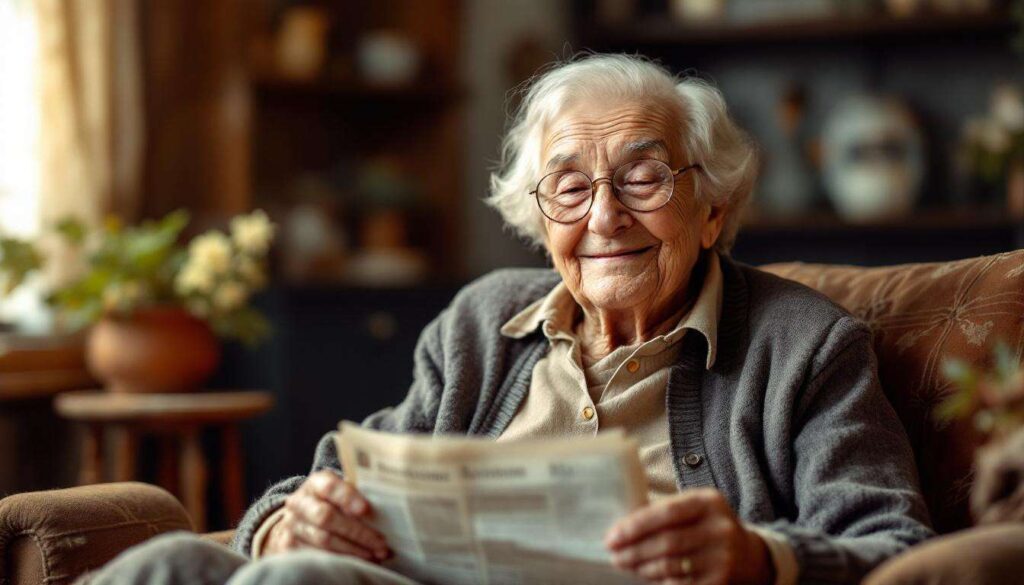
Whilst digital news consumption has become the norm, boomers continue to subscribe to physical newspapers and magazines. The ritual of reading a broadsheet over breakfast or flipping through glossy pages offers a tactile experience that screens cannot replicate. However, this habit contributes to environmental concerns and seems anachronistic in an age of instant, free online content.
These consumption habits connect to broader attitudes about well-being and self-care.
Traditional approaches to mental health
Reluctance to discuss emotional struggles
Boomers often maintain a stiff upper lip regarding mental health, viewing therapy and open emotional discussions as signs of weakness rather than strength. This attitude contrasts starkly with younger generations who normalise mental health conversations and actively seek professional support. The stigma surrounding psychological care in boomer culture reflects outdated beliefs about resilience and self-sufficiency.
Emphasis on “toughing it out”
Many boomers advocate for pushing through difficulties without complaint, a mindset that can dismiss legitimate mental health needs. Phrases like “we didn’t have anxiety in my day” minimise the experiences of younger people whilst perpetuating harmful stereotypes about emotional vulnerability. Modern understanding recognises that acknowledging struggles is a sign of self-awareness, not fragility.
Just as mental health attitudes have evolved, so too have expectations around personal presentation.
Styles of dress from another era
Formal attire for everyday occasions
Boomers frequently dress more formally than younger generations deem necessary, wearing suits to casual events or insisting on “proper” clothing for activities like air travel. This reflects standards from an era when appearance signalled respectability and social status. Today’s relaxed dress codes prioritise comfort and individual expression over conformity.
Resistance to contemporary fashion trends
From skinny jeans to athleisure, boomers often express bewilderment or disdain for modern fashion choices. Their preference for classic styles and traditional cuts can seem dated to younger eyes, yet it represents a different aesthetic philosophy rooted in timelessness rather than trend-chasing.
Fashion choices often intersect with how individuals navigate social spaces and interactions.
Inadequate social interactions
Unannounced visits and drop-ins
The boomer habit of arriving unannounced at friends’ or family members’ homes feels invasive to younger generations who value scheduled social time and personal space. This practice harks back to an era of stronger community ties and more porous boundaries between households. Modern life, with its packed schedules and emphasis on consent, requires advance notice and coordination.
Differing political and social viewpoints
Generational divides often manifest in clashing political opinions and social attitudes, particularly around issues like climate change, diversity, and workers’ rights. Boomers may cling to perspectives formed decades ago, whilst younger people advocate for progressive change. These disagreements can strain family relationships and require careful navigation to maintain respect and understanding.
Parenting style contrasts
Boomers typically employed authoritative parenting methods, emphasising discipline and hierarchy. Millennials, by contrast, favour collaborative approaches that prioritise emotional intelligence and open dialogue. When boomer grandparents criticise modern parenting techniques, tensions arise that reflect fundamentally different philosophies about child-rearing and authority.
Bridging these generational divides requires patience, empathy, and willingness to adapt. Whilst boomer habits may seem outdated, they reflect values and experiences that shaped an entire generation. Similarly, younger people’s preferences represent adaptations to a rapidly changing world. Open communication, mutual respect, and genuine curiosity about each other’s perspectives can transform potential conflicts into opportunities for growth and understanding. Recognising that both tradition and innovation have merit allows families and communities to honour the past whilst embracing the future.