



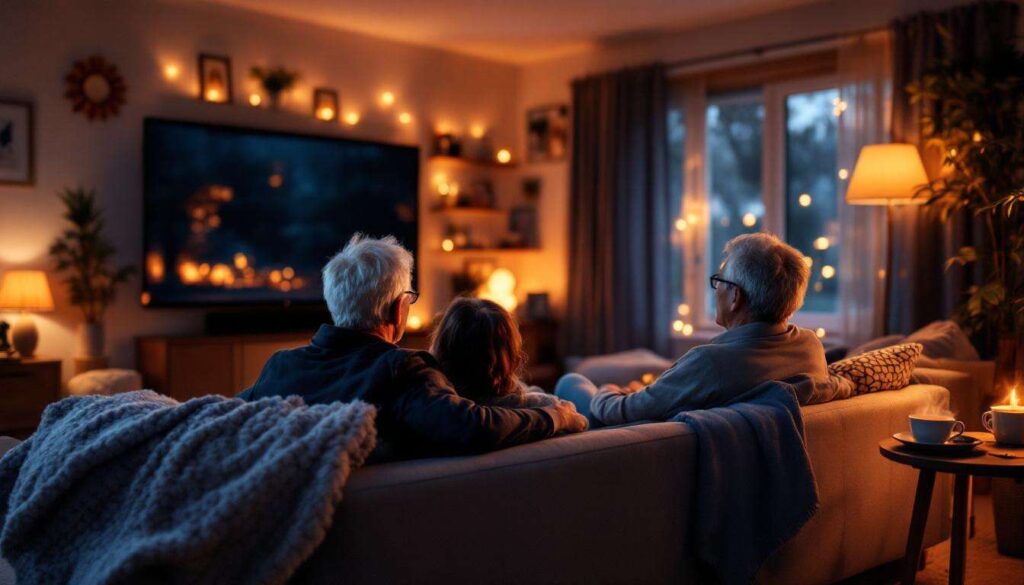
Growing up, the familiar glow of the television screen dominated our living room every single evening. For four decades, my parents settled into their armchairs at precisely 7:30 p.m., remote controls in hand, ready to immerse themselves in sitcoms, news programmes, and endless reruns. That blue light became the backdrop of family life, a constant companion that required nothing in return. Watching this ritual unfold year after year, I made a quiet promise to myself: my life after work would look different. When I finally reached a point where I could reflect on my own routines, I realised how easily one could slip into the same pattern. The comfort of passive entertainment is seductive, yet I knew I wanted something more vibrant, more connected, more alive.
Reflecting on family habits
Understanding the television routine
The evening ritual my parents maintained was not born out of laziness or lack of imagination. It emerged from exhaustion after long working days, from the desire for simple relaxation, and from a cultural moment when television represented the primary form of home entertainment. Their generation had fewer alternatives, and the habit solidified over time until it became inseparable from their identity. Observing this pattern taught me valuable lessons about how routines form and how they shape our lives in subtle yet profound ways.
Recognising the impact on personal fulfilment
What struck me most was not the act of watching television itself, but rather what it replaced. Those hours could have been spent developing skills, nurturing relationships, or exploring personal interests. The opportunity cost of four decades spent primarily in front of a screen is immeasurable. This realisation prompted me to examine my own tendencies and question whether I was unconsciously following a similar path. The key was acknowledging that comfort and fulfilment are not always synonymous, and that intentional choices about how we spend our evenings can dramatically alter the quality of our lives.
These reflections naturally led me to consider what specific actions I could take to create a different evening experience for myself.
Engaging in enriching activities after work
Committing to regular classes and social learning
One of the most transformative decisions I made was enrolling in a weekly ballroom dance class every Tuesday evening. This commitment serves multiple purposes: it provides structured time away from home, creates social accountability, and develops a new skill. The social expectation of attending means I cannot simply decide to skip it on a whim, unlike a solitary hobby that requires only self-discipline. The physical activity energises me rather than depletes me, and the social interactions with fellow dancers provide genuine connection.
Exploring diverse evening pursuits
Beyond formal classes, I have discovered numerous activities that enrich my post-work hours:
- Joining a local book club that meets fortnightly, combining reading with meaningful discussion
- Volunteering at a community garden on Thursday evenings, connecting with nature and neighbours
- Attending occasional lectures and cultural events at the local library
- Participating in a cooking exchange group where members share recipes and techniques
- Taking evening walks through different neighbourhoods to explore my local area
Each of these activities represents a deliberate choice to engage with the world rather than passively consume content. They require energy and intention, but the rewards far exceed the effort invested.
However, enriching activities alone were not sufficient; I also needed to address the magnetic pull of screens that had dominated my parents’ evenings.
Avoiding screens to regain personal time
Establishing a screen-free window
Perhaps the most challenging yet rewarding change I implemented was creating a screen-free period between 6 p.m. and 8 p.m. each evening. During these two hours, I deliberately avoid television, smartphones, tablets, and computers. Initially, this felt uncomfortable, even anxiety-inducing. The impulse to check messages or scroll through news feeds was powerful. Yet within weeks, this window became my most treasured time of the day. Without digital distractions, I rediscovered activities I had forgotten I enjoyed: preparing elaborate meals, tending to houseplants, writing in a journal, or simply sitting with a cup of tea and my thoughts.
Benefits of reduced screen time
| Aspect | Before screen-free window | After screen-free window |
|---|---|---|
| Evening energy levels | Depleted, passive | Sustained, engaged |
| Sleep quality | Disrupted, delayed | Improved, consistent |
| Family interaction | Minimal, distracted | Meaningful, present |
| Personal satisfaction | Moderate | Significantly higher |
The data from my own experience clearly demonstrates that reducing screen exposure during evening hours creates space for more fulfilling activities and improves overall well-being.
With screens no longer dominating my evenings, I could focus on developing routines that genuinely rejuvenated me.
Adopting a rejuvenating evening routine
Structuring the post-work transition
I discovered that the period immediately after arriving home sets the tone for the entire evening. Rather than collapsing onto the sofa, I now follow a deliberate sequence that helps me transition from work mode to personal time. This includes changing into comfortable clothing, spending ten minutes tidying one area of my home, and preparing a nutritious evening meal. These simple acts create a psychological boundary between professional obligations and personal life, allowing me to fully inhabit my leisure time.
Incorporating restorative practices
My evening routine also includes practices specifically designed to restore energy rather than merely kill time:
- Twenty minutes of gentle stretching or yoga to release physical tension
- Listening to music or podcasts whilst preparing dinner, engaging my mind with interesting content
- Setting aside time for creative pursuits like sketching or playing a musical instrument
- Maintaining a gratitude journal where I note three positive moments from each day
These activities require minimal equipment and can be adapted to any living situation, making them accessible and sustainable over the long term.
As my evening routines became more established, I felt increasingly drawn to activities that challenged my mind and expanded my horizons.
Rediscovering the joy of learning
Embracing continuous education
One of the most rewarding aspects of my post-work life has been rekindling my love of learning. Without the pressure of examinations or professional advancement, I can explore subjects purely for the pleasure they bring. I have taken online courses in subjects ranging from astronomy to local history, attended workshops on photography, and taught myself basic carpentry skills. This intellectual engagement keeps my mind active and provides a sense of progress and accomplishment that passive entertainment never could.
Practical learning with immediate application
I particularly value learning experiences that produce tangible results. Gardening courses have transformed my small outdoor space into a productive vegetable patch. Language learning apps help me prepare for future travels. Cookery tutorials enable me to prepare increasingly sophisticated meals. Each new skill adds practical value to my daily life whilst simultaneously providing the satisfaction of personal growth.
Learning naturally complements the other changes I have made, but I also recognised the importance of simply unwinding without always being productive.
Creating moments of relaxation at the end of the day
Balancing activity with genuine rest
Whilst I have filled my evenings with purposeful activities, I have also learned the importance of genuine relaxation that does not involve screens. Reading fiction before bed has become a cherished ritual, transporting me to different worlds whilst allowing my mind to gradually wind down. I have rediscovered the pleasure of sitting in a comfortable chair with a physical book, turning pages rather than scrolling, and allowing stories to unfold at their own pace. This analogue activity provides rest without the stimulating effects of blue light or the endless scroll of digital content.
Mindful moments before sleep
The final hour before sleep has become sacred time dedicated to preparing my mind and body for rest. This includes dimming lights throughout my home, brewing herbal tea, and sometimes simply sitting quietly with my thoughts. These practices signal to my body that the day is ending, creating a natural rhythm that promotes better sleep quality and leaves me feeling more refreshed the following morning.
Breaking free from the television-dominated evenings of my childhood has required conscious effort and consistent commitment. The eight strategies I have adopted—enrolling in regular classes, establishing screen-free periods, developing rejuvenating routines, pursuing continuous learning, and creating genuine relaxation moments—have collectively transformed my post-work life. Rather than passively watching the hours slip away, I now actively engage with activities that bring fulfilment, connection, and growth. My parents’ four-decade routine taught me an invaluable lesson: the choices we make about our leisure time accumulate over years to shape the overall quality of our lives. By choosing engagement over passivity, I have discovered that life after work can be just as vibrant and meaningful as the working day itself.