



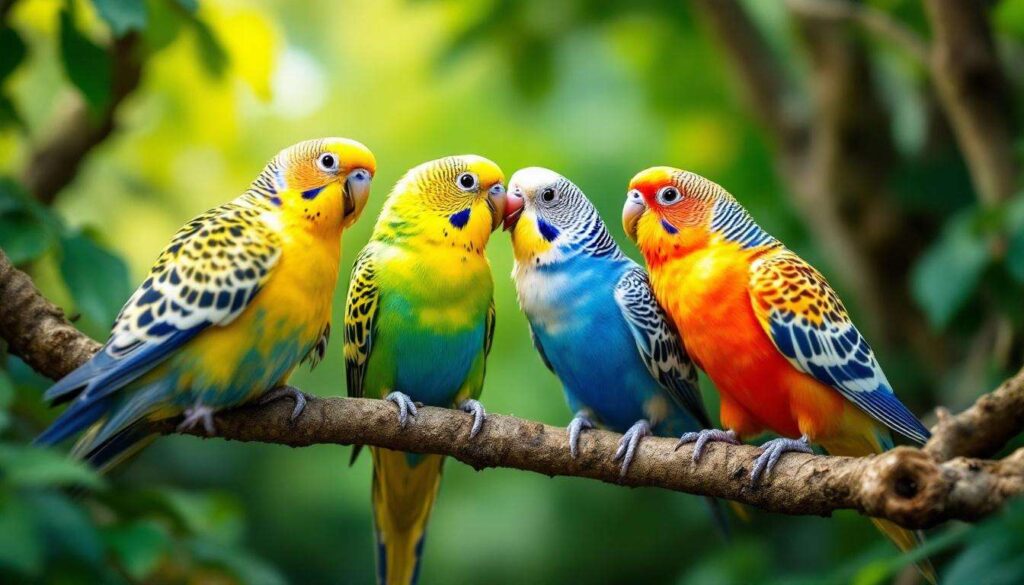
Friendship can feel like a puzzle, especially when navigating unfamiliar social terrain. Yet, observing the natural world offers unexpected guidance. Monk parakeets, with their vibrant plumage and chattering colonies, demonstrate remarkably sophisticated strategies for forming bonds. Recent research into these birds’ social habits reveals methods that mirror human friendship development, providing a blueprint for anyone seeking to build meaningful connections. By examining how parakeets approach new relationships, we uncover practical lessons applicable to our own social lives.
Understanding the social behaviour of parakeets
The foundations of parakeet communities
Monk parakeets are highly social creatures that thrive in communal settings. Unlike many bird species that maintain solitary or paired existences, these parakeets construct elaborate communal nests housing multiple families. This architectural collaboration reflects their fundamental need for social interaction and mutual support. Within these colonies, parakeets engage in complex social hierarchies and relationships that require constant negotiation and communication.
Their social structure relies on several key behaviours:
- Vocal communication through distinctive calls that identify individuals
- Physical proximity as a sign of trust and affiliation
- Mutual grooming to reinforce bonds and maintain group cohesion
- Food sharing that demonstrates generosity and reciprocity
How parakeets assess potential friends
The process of friendship formation among parakeets involves careful observation and evaluation. When encountering unfamiliar birds, parakeets don’t rush into close relationships. Instead, they maintain a watchful distance, monitoring the newcomer’s behaviour for signs of compatibility. This assessment period allows them to gauge temperament, social skills, and potential threats. Research demonstrates that parakeets who share similar activity patterns and vocalisations are more likely to form lasting bonds, suggesting they seek compatible personalities just as humans do.
These initial observations naturally lead to the deliberate steps parakeets take when establishing new friendships.
Key steps to making friends according to parakeets
The gradual approach to connection
Parakeets follow a methodical progression when building friendships. The journey begins with simple proximity, where birds position themselves near potential friends without direct interaction. This stage allows both parties to become accustomed to each other’s presence without pressure. As comfort increases, parakeets progress to brief, non-threatening exchanges such as parallel feeding or simultaneous preening.
| Stage | Behaviour | Duration |
|---|---|---|
| Initial contact | Shared space without interaction | Several days |
| Cautious engagement | Brief vocalisations and glances | One to two weeks |
| Active friendship | Grooming and food sharing | Ongoing |
Reading and responding to social cues
Throughout the friendship-building process, parakeets demonstrate exceptional sensitivity to social signals. They observe body language, noting whether a potential friend appears relaxed or defensive. Vocalisation patterns provide additional information about mood and receptiveness. When a parakeet receives positive signals, it responds with equally friendly gestures, creating a reciprocal exchange that gradually deepens the connection. Conversely, if signs of discomfort appear, the parakeet retreats, respecting boundaries and avoiding conflict.
This careful attention to signals becomes particularly important when relationships move beyond initial contact into deeper territory.
Testing trust: a cautious and gradual approach
Small gestures with significant meaning
Parakeets employ incremental trust-building exercises that minimise risk whilst maximising relationship potential. These tests begin with low-stakes interactions such as tolerating close proximity during feeding. If this proves successful, parakeets progress to slightly more vulnerable behaviours like turning their backs to each other, a gesture that requires confidence in the other bird’s peaceful intentions. Each successful interaction builds a foundation for more intimate exchanges.
The testing phase includes:
- Sharing perching space without aggression
- Allowing another bird to approach food sources
- Engaging in brief physical contact through wing touches
- Participating in coordinated activities like bathing
Recognising and respecting boundaries
An essential aspect of the parakeet friendship model involves respecting limits. When a bird signals discomfort through defensive postures or retreat, wise parakeets don’t push forward. Instead, they maintain distance and wait for more receptive moments. This patience prevents relationship damage and demonstrates emotional intelligence. By honouring boundaries, parakeets create safe environments where friendships can develop naturally without coercion or stress.
Once trust foundations are established through careful testing, maintaining those bonds requires ongoing effort.
The importance of regular interactions to strengthen bonds
Consistency builds connection
Parakeet friendships don’t flourish through sporadic contact. These birds engage in daily interactions with their chosen companions, reinforcing bonds through repetition. Morning greetings, shared meals, and evening roosting routines create predictable patterns that strengthen relationships. This consistency provides security and deepens familiarity, allowing friendships to withstand occasional conflicts or stressors. Research indicates that parakeets with regular social contact experience lower stress levels and improved overall health.
Quality time through shared activities
Beyond mere proximity, parakeets invest in meaningful shared experiences. Mutual grooming sessions serve both practical and social purposes, removing parasites whilst creating intimacy. Playing together, whether through aerial acrobatics or exploring new environments, adds enjoyment to relationships. Food sharing represents particularly significant bonding, as parakeets offer choice morsels to favoured companions, demonstrating generosity and care.
These natural behaviours translate remarkably well into practical human applications.
Learning from parakeets: practical tips for making friendships
Applying avian wisdom to human connections
The parakeet approach offers concrete strategies for anyone seeking to expand their social circle. Start by positioning yourself in environments where potential friends gather, much as parakeets share communal spaces. Observe before engaging, noting who shares your interests and values. When initiating contact, keep early interactions brief and low-pressure, allowing relationships to develop naturally without overwhelming new acquaintances.
Practical steps include:
- Attending regular social gatherings to establish familiar presence
- Initiating small conversations rather than demanding deep discussions
- Offering help or sharing resources as modern equivalents of food sharing
- Respecting when others seem busy or uninterested
- Following up consistently without becoming intrusive
Building trust through incremental vulnerability
Just as parakeets test relationships gradually, humans benefit from measured self-disclosure. Share minor personal details before revealing deeply private information. Observe how potential friends respond to small confidences before entrusting them with significant matters. This protective approach prevents premature intimacy that can overwhelm new relationships whilst still allowing genuine connection to develop.
These practical applications reveal broader insights about social dynamics.
Surprising lessons from parakeets to improve our social relations
Patience yields stronger friendships
Perhaps the most valuable lesson from parakeets involves resisting the urge to rush. Modern life often pressures us to form instant connections, yet parakeets demonstrate that lasting friendships require time. Allowing relationships to unfold at their natural pace creates stronger foundations than forced intimacy. This patience also reduces the disappointment that comes from premature expectations, as each stage of friendship develops only when both parties are ready.
The power of consistent small gestures
Parakeets teach that regular minor kindnesses outweigh occasional grand gestures. Daily greetings, brief check-ins, and small acts of consideration accumulate into profound bonds. This approach makes friendship maintenance manageable rather than overwhelming, as it doesn’t require dramatic time investments or elaborate planning. Simple consistency proves more valuable than sporadic intensity.
Observing these vibrant birds reveals that effective friendship strategies transcend species boundaries. Parakeets succeed socially through patience, careful observation, gradual trust-building, and consistent engagement. Their methods minimise conflict whilst maximising connection, creating stable social networks that benefit all members. By adopting similar approaches in our human relationships, we can build more authentic and enduring friendships. The next time you feel uncertain about making new connections, remember the parakeet’s wisdom: start small, proceed cautiously, respect boundaries, and invest regularly in the relationships you value.